A leaky roof followed this inspector into retirement. Tail coverage stopped it.

Last Updated September 9, 2026

Quick Summary: When home inspectors sell their businesses or retire, their liability doesn’t retire with them. Claims can surface months or years later, and without the right coverage in place, inspectors can be left paying out of pocket for inspections they performed long ago. InspectorPro Insurance helps inspectors secure an extended reporting period (ERP) endorsement, or tail coverage, so they stay protected after they’ve closed up shop.
The following is a real home inspection claim from our archives. To protect the insured’s identity, all identifiable characteristics from this roof defect claim—including names and associations—have been altered or removed.
After 19 years of testing tubs and crawling through attics, Washington home inspector Walt Grissom was ready to hang up his ladder. He’d built a respectable one-man inspection business, and when a new inspector offered to buy him out, Grissom took the deal, packed up his tools, and started planning his retirement.
Before he signed off entirely, though, his insurance broker asked him a question he hadn’t thought much about: “What happens if someone sues you for an inspection you did last year?”
Grissom hadn’t considered it. His policy was a claims-made policy, meaning it only covered claims reported while the policy was active. Once he canceled his coverage, any claim tied to an inspection he performed years earlier—even if he wasn’t at fault—could land on his doorstep with no insurance behind him.
So, on his broker’s recommendation, Grissom purchased a two-year extended reporting period endorsement, also known as tail coverage, before his policy lapsed for good.
Six months later, he was glad he did.
The Claim
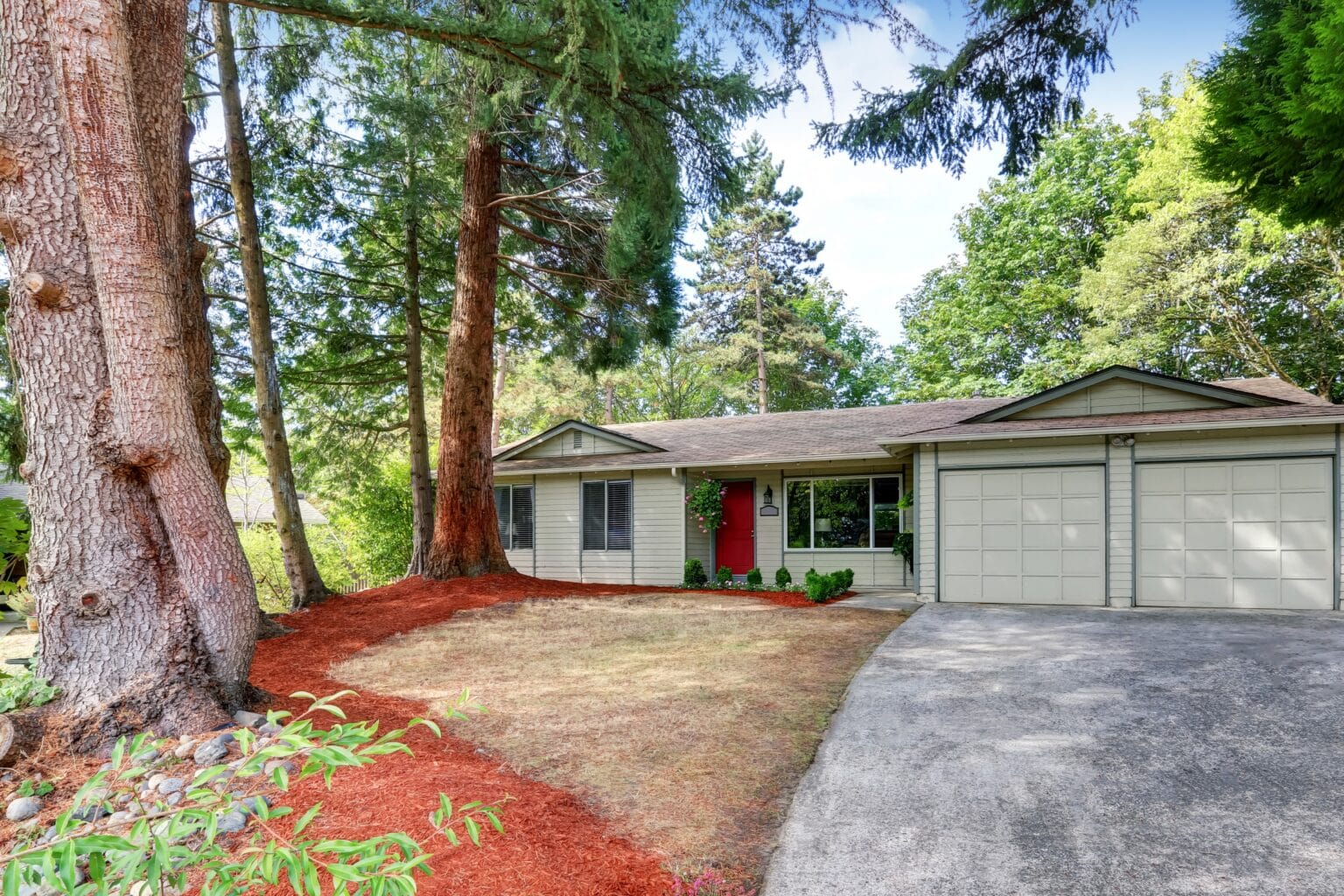
Two days after Christmas, Grissom had inspected a recently updated rambler. Nestled amidst mature trees and boasting natural wood accents, the property charmed its buyers, Grissom’s clients.
That love for the home slipped away as the clients started to notice problems.
Within one week of moving in, the roof was leaking. Several roofing professionals confirmed that the roof had improperly installed shingles, clogged ridge vents, and an improperly adhered skylight. Poor air circulation and ventilation had led to mold growth in the attic, which had likely started and then been exacerbated by water intrusion from the roof.
The roofers said these concerns were something the “home inspector should have noticed.”
Grissom’s clients agreed. They hired an attorney, who sent Grissom a three-page letter accusing him of missing “multiple crucial details that would have severely impacted our decision to purchase the home, and the price we were willing to pay.” They bulleted $34,000 worth of repair expenses for the roof and asked for “prompt compensation.”
Why do home inspectors need tail coverage after selling their business?
Section Summary: Claims-made policies only cover claims reported while the policy is active. Without tail coverage, inspectors have no protection for claims tied to inspections performed before they closed their business.

Most home inspector errors and omissions (E&O) policies are written on a claims-made basis. That means coverage depends on when a claim is reported, not just when the inspection took place. As long as your policy is active when you report a claim, your insurance can help—even if the inspection happened years earlier.
The problem arises when your policy ends. If you sell your business, retire, or simply stop inspecting, and a claim comes in after your policy has lapsed, you may have no coverage at all, even though you were insured on the date you performed the inspection.
As Grissom’s story suggests, claims don’t stop when you do.
Roofs in particular are a common source of delayed claims. With hidden leaks, deferred maintenance, and worn flashing, roofs can have problems that aren’t apparent until a rainy season or two after closing. Tail coverage can help close the gap for such delayed claims.
What is an extended reporting period endorsement?
Section Summary: An ERP endorsement, or tail coverage, extends the window for reporting claims. These can include inspections performed while your policy was active, even after you stopped inspecting.
An extended reporting period endorsement, or tail coverage, doesn’t add new coverage for new inspections. Instead, it extends the amount of time you have to report a claim for work you already completed while your policy was in force.
Think of it as closing out unfinished business. You’ve stopped performing inspections, but the liability from your past inspections doesn’t disappear the day you stop working. If a claim surfaces after you’ve sold your business or retired, an ERP endorsement makes sure you still have somewhere to send it.
How long should my extended reporting period last?
Section Summary: The right ERP length depends on your state’s statute of limitations, how long you’ve been inspecting, and how much risk you’re willing to carry into retirement.
ERP terms vary. Inspectors can typically choose one to five years of coverage depending on their carrier and their risk tolerance. Grissom chose two years, reasoning that most claims tend to surface within the first couple of years after an inspection.
Choosing an ERP term isn’t a one-size-fits-all decision. A few factors are worth weighing:
- Your state’s statute of limitations. Some states allow claims to be filed years after an inspection. Check how long claimants in your state have to bring a claim against you before you decide how much tail coverage you need.
- Your budget. Longer reporting periods typically cost more upfront, but they also mean fewer gaps in coverage down the road.
- Your peace of mind. Some inspectors want to choose a shorter, less expensive term. Others want to know they’re covered as long as possible. It comes down to your risk tolerance, or how much you’re willing to leave to chance.
Grissom’s broker helped him weigh these factors, and Grissom landed on two years. It turned out to be enough.
What happened when a claim came in during the extended reporting period?
Section Summary: Grissom reported the claim as soon as he learned of it, and InspectorPro’s claims team investigated before determining liability didn’t appear to exist.
Grissom did exactly what he should have: Before finalizing the sale of his inspection business, he purchased tail coverage. And when he received a claim, he reported it to us immediately.
Our claims team got to work, pulling Grissom’s original inspection report, his photo documentation, and his notes from the day of the inspection. The report showed he had, in fact, alerted the buyers of several roofing deficiencies.


Grissom had done his due diligence. He photographed and reported roofing defects. He recommended further evaluation.
Our claims team sent the claimants and their attorney a letter defending Grissom, arguing he wasn’t at fault.
But the claimants wouldn’t take “no” for an answer. A bitter back-and-forth ensued, with threats of going to court. Our claims team reiterated Grissom’s defense, but the claimants persisted.
That put us at a crossroads: keep defending a case we believed we’d win, or resolve it faster and cheaper. Even when liability doesn’t appear to exist, mounting a full legal defense costs money in attorney fees, expert witnesses, depositions, and time. Sometimes those defense costs add up to more than the claimants are even asking for in damages.
That’s what happened here. Eager to get back to his retirement and put the inspection behind him, Grissom agreed to settle with the clients outside of court for $5,000. It wasn’t an admission that Grissom did anything wrong; it was a business decision to close the case efficiently and keep everyone’s costs down.
Because Grissom had tail coverage, he only paid his deductible, which was less than the $5,000 settlement. We at InspectorPro covered the rest.


What would have happened without an extended reporting period endorsement?
Section Summary: Without ERP coverage, inspectors can be personally responsible for the full cost of settlements, judgments, and legal defense tied to inspections they performed years earlier.
Had Grissom let his policy lapse without purchasing tail coverage, this claim would have landed squarely on his shoulders.
No claims team would have investigated on his behalf. No attorney would have represented him. No settlement would have been negotiated down to a manageable number.
Instead, Grissom would have had to:
- Hire and pay for his own attorney to respond to the lawsuit.
- Negotiate a settlement, or take his chances at trial, without an insurance company’s backing.
- Pay the entire settlement or judgment out of his own retirement savings.
For an inspector who’d already sold his business and moved on, that’s a steep price to pay—all because he didn’t have coverage in place when the claim came in.
How do I secure the right extended reporting period for my business?
Section Summary: InspectorPro helps insureds choose an ERP term that fits their retirement timeline, risk tolerance, and state requirements before their policy lapses.
If you’re planning to sell or close your business, don’t let your coverage lapse without a plan for what comes after. Claims like Grissom’s don’t stop showing up just because you’ve stopped inspecting.
Our team can walk you through ERP options, help you weigh your state’s statute of limitations, and find a term that matches your risk tolerance and budget.
Contact your InspectorPro broker before your policy ends to make sure your past work stays protected, even after you’ve moved on to your next chapter.